
Less, But Better: Using Your Personal Brand to Buy Less and Live Well
New year, new you—right? I’ve never loved that phrase. I prefer new year, same you, just maximizing your potential and showing up as your best self. It doesn’t have the same ring to it, but it’s much closer to how the start of a new year should actually feel.
This time of year, many people set resolutions with the best intentions: get organized, declutter, and finally stick to a cleaning or home maintenance routine. And yet, nearly 90% of resolutions fail. Not because we don’t care—but because we’re trying to overhaul everything at once instead of creating systems that quietly support the life we’re already living.
This post is about using your personal brand to guide your buying decisions. Impulse purchases make up a huge percentage of what we bring into our homes. Even “planned” purchases often miss the mark: This top is a little scratchy, but it was on sale… Sound familiar? A clear personal brand helps you buy less by giving you a filter. It saves time by clarifying what you’re actually looking for before you start scrolling. And it keeps your home cohesive, calm, and reflective of your real lifestyle.
Your personal brand is not your family’s values or morals. Those are deeply rooted and built over time. Your brand is simpler than that—it’s a set of guidelines that quietly steer what comes into your home, your closet, and your life.

If you’ve watched Schitt’s Creek (and if you haven’t, please fix that immediately), David Rose is a perfect example of personal branding. His black-and-white aesthetic becomes his signature, and when he opens his store, he knows exactly what it is—and what it isn’t. As he famously explains, it’s “a general store, but also a very specific store…It's also not just a store, it's like a place where people can come and get coffee or drinks, but it's not a coffee shop, nor is it a bar… And yes, we will be selling things, but it's more like a branded immersive experience.”
That’s the power of personal branding. When you know what fits, it becomes much easier to say no to everything else.
So, what does it look like?
Your Life, Curated
Many organizers, including Marie Kondo, start by having clients visualize the life they want. How do you want mornings to feel while getting ready for work and school? What do you want your bedtime routine to feel like? Do you wish you had more time to read, workout, play board games, or just sleep? If so, why don’t you?
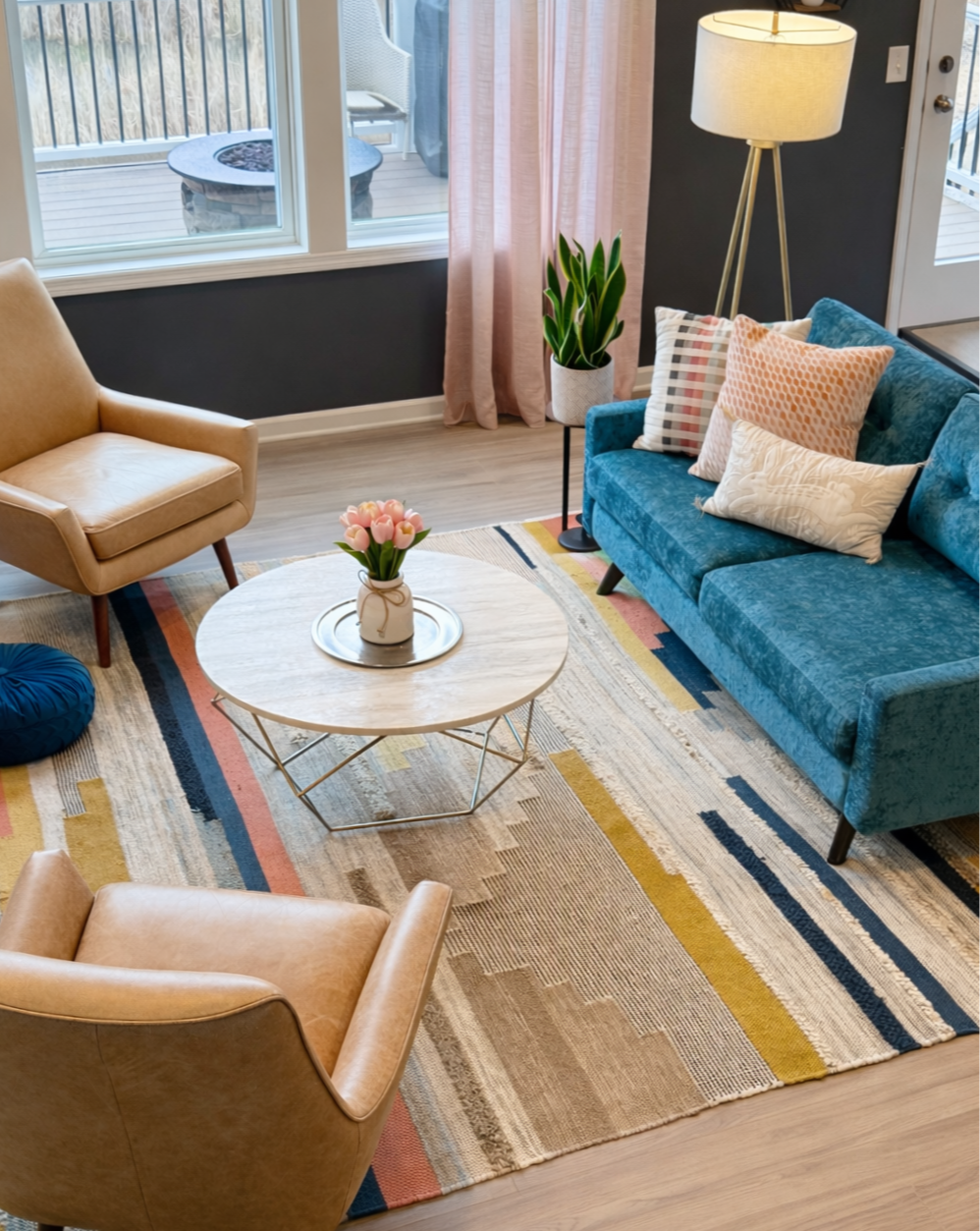
Identifying your end goal is essential—it sets the guidelines for how to make it happen. Do you want your home to feel cozy and lived-in? Modern and clean? Fun and silly? I’m not talking about decorating (though that might come later), but about creating a visual that inspires you. Start a Pinterest board, flip through home magazines, or notice friends’ homes. Does clutter fit the feeling you want?
When discussing the look and feel of a home, I often have clients start with one item they love. It could be a bold wallpaper, a favorite throw pillow, or even a piece of art. That single item can inspire the color palette, aesthetic decisions, and overall vibe for the space. It gives you a clear starting point for your personal brand in your home.
Once you have a clear vision for your life and home, it’s easier to apply that same thinking to the things you bring in—from your clothes and routines, to decor and appliances.
The Capsule Mindset Beyond Clothes
A capsule wardrobe is a small collection of clothes that mix and match easily to create many outfits. The same concept can apply to home décor, grocery shopping, and kids’ stuff. When everything works together, there’s less noise—and less shopping.
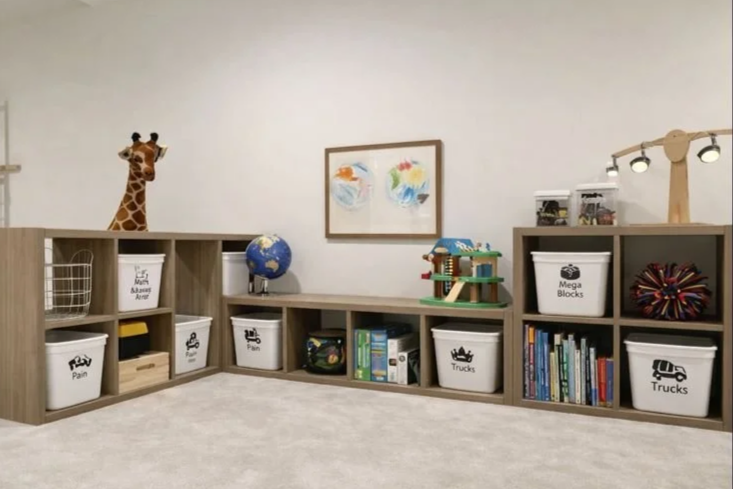
In practice, this looks like a set of household “rules.” For example, here’s how my husband and I manage our kids’ toys:
Toy purchases are limited to birthdays and holidays.
We request no gifts if they have a birthday party.
No toys with batteries.
All toys must be easy for them to put away independently, and they’re responsible for any small parts.
Upon receipt, toys have a designated home: shared toys in the basement family room, personal toys in bedrooms. Only board games, books, and craft supplies live in the main shared spaces.
If there isn’t room on the shelves, they must make space by letting something go—nothing stays on the floor.
Yes, this can sound rigid—and we sometimes make exceptions—but having these guidelines makes shopping and living together easier. There are no meltdowns in the store, kids learn responsibility, and our shared spaces stay functional and intentional.
Once you have a clear vision for your life and home, it’s easier to apply that same thinking to the things you bring in. That’s how a personal brand becomes a tool to simplify life and reduce clutter.
Decision Fatigue Is Real
Our brains weren’t designed to handle all 35,000 decisions (yes, really!) we face in a modern day. Research shows that after making many choices in a row, our ability to make thoughtful, rational decisions drops—hello, late-night Amazon shopping.
Having a clear set of expectations for what comes into your home frees mental energy for the decisions that really matter. Just like a capsule wardrobe saves you the “what should I wear?” dilemma each morning, knowing the vibe you want for your home curbs unnecessary decision-making while shopping or scrolling online. It lets you enjoy all kinds of styles, while only bringing in items that truly support your personal brand.
For example, if your personal brand for your home is cozy and neutral, you won’t be tempted by a bright neon vase that catches your eye in a store. You know it won’t fit with the look and feel you’re cultivating, so you appreciate it, but skip it without a second thought. The same goes for your wardrobe: if your color palette is navy, cream, and rust, you only consider pieces that fit those shades, which makes shopping faster, easier, and less stressful. Establishing these guidelines keeps your choices intentional and frees up mental energy for decisions that really matter.
Buying for the Life You’re Living (Not the Fantasy One)
We all do it. We decide to start an exercise routine and immediately buy a new set of workout clothes. We aspire to learn how to knit and drop $100 on yarn. I’m personally in the process of trying to cancel a Pilates app I never used—but bought when I wanted to start doing Pilates.
Habits aren’t built around the things you own; they’re built around the things you do. If you’re motivated to try something new, start small and realistic. Find a free class online. Borrow equipment from a friend. Use what you already have until you know whether the habit is something you’ll actually stick with—and something that fits your life.
I see this most often around New Year’s resolutions: buying in bulk because you want to start meal prepping, purchasing bins because you want to get organized, or buying exercise equipment because you want to get in shape. None of those goals actually require a purchase. They require time, consistency, and follow-through.
This is where your personal brand becomes a powerful filter. When your brand is rooted in your real, everyday life, aspirational purchases lose their pull. You stop buying for the person you think you should be and start choosing things that support how you actually live—your routines, your space, and your energy. And that shift alone can dramatically reduce what comes into your home.
A Simple Framework: Pause Before You Purchase
Your home should feel comfortable and beautiful—not like a storage locker. It’s a living gallery, meant to be curated with the items and memories that reflect how your family actually lives.
Before something new comes into your home, pause and ask a few simple questions:
Does this support the life I want to live?
Do I already own something that serves the same purpose?
Where will it live?
Who will be responsible for caring for it—cleaning, maintaining, or repairing it?
What happens to it when it’s no longer useful?
Do I need this now, or can it wait?
Be honest with yourself. Will this item earn its place by adding value to your life, or will it quietly take up space and attention? Does that value align with your personal brand and daily routines? And is this something you truly need to own—or could you enjoy it elsewhere, like the library, the gym, a museum, or the playground?
When you build this pause into every purchase, what comes into your home becomes more intentional. You’ll buy less, but what you do bring in will have purpose, meaning, and a place.
Less Stuff, Clearer Signal
We live in a culture of constant comparison—highlight reels, perfectly styled homes, and endless “must-have” lists telling us who we should be and what we should need. A strong personal brand is an anchor in all that noise. It helps you feel content with who you actually are, because your choices are rooted in your own life, not someone else’s. When your home, your style, and your routines align, people understand you without you having to explain or perform. Your space feels cohesive, intentional, and unmistakably yours.
The new year isn’t about reinventing yourself. It’s about editing—gently and honestly—until what’s left truly supports the life you want to live. It's about making your home a truly immersive experience!